

best sellers


Sale!
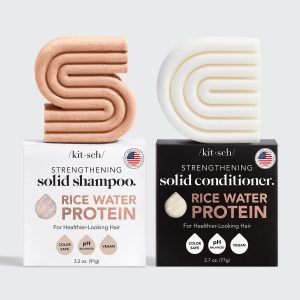
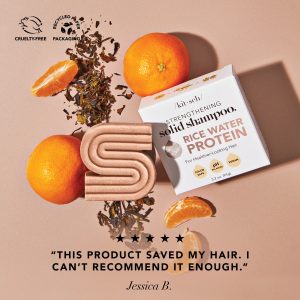
Original price was: $28.00.$14.00Current price is: $14.00.
Sale!
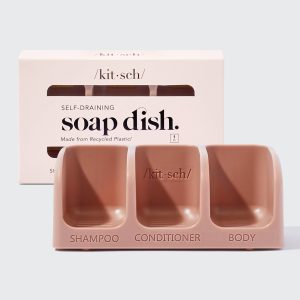
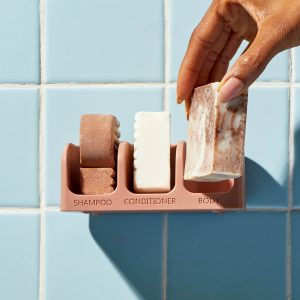
Original price was: $14.00.$7.00Current price is: $7.00.
Sale!
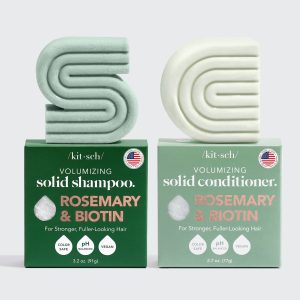
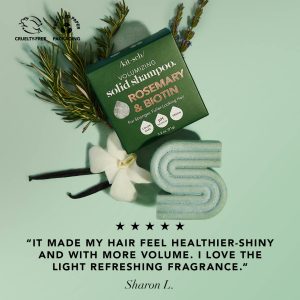
Original price was: $28.00.$14.00Current price is: $14.00.
Sale!
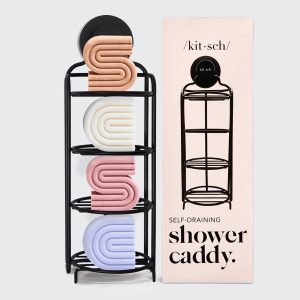
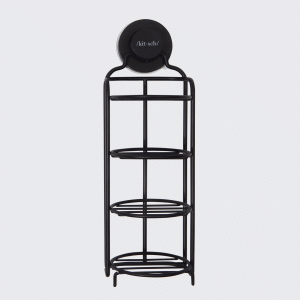
Original price was: $75.00.$20.00Current price is: $20.00.
top collections


what’s new
Sale!
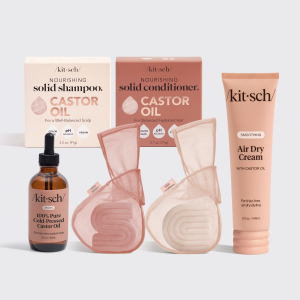
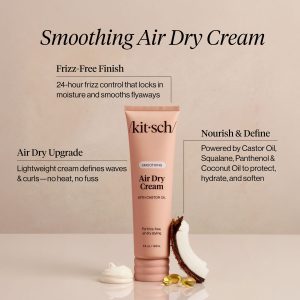
Original price was: $65.00.$22.50Current price is: $22.50.
Sale!
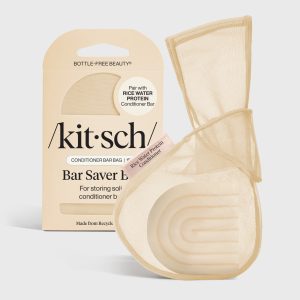
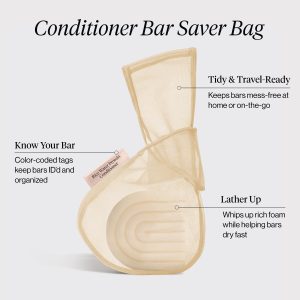
Original price was: $5.00.$2.50Current price is: $2.50.
Sale!
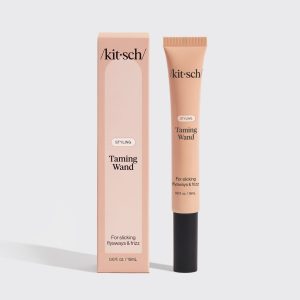
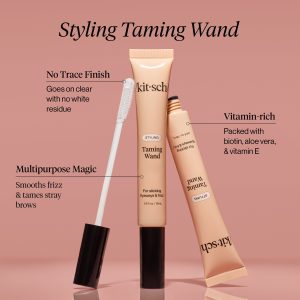
Original price was: $12.00.$6.00Current price is: $6.00.
Sale!
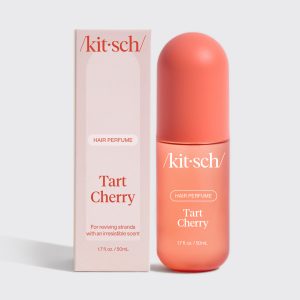
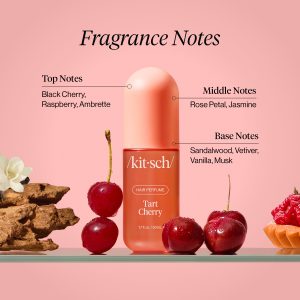
Original price was: $20.00.$10.00Current price is: $10.00.
WE’VE ALWAYS BEEN OBSESSED WITH OUR CUSTOMERS & WE THINK
The Feeling Is Mutual


Our Story
Founded by Wisconsin native Cassandra Thurswell at the age of 25, Kitsch is a global beauty powerhouse built on positivity and pure hard work. The brand supports its growing community with easy, elevated beauty solutions that are totally reliable, truly special, and made as sustainably as possible. Beginning in 2010 with a business plan no longer than a paragraph, Kitsch now supplies a full range of beauty favorites in over 20,000 retail locations worldwide. A prominent entrepreneur featured in Forbes and Inc., Cassandra continues to create elevated, sustainable beauty solutions for every moment of the day.
The Science of Scalp Equilibrium and Cleansing
The journey to healthy hair begins not with the strands themselves, but with the foundation from which they grow. Understanding the biological environment of the scalp is essential for selecting the right liquid tools for maintenance. The scalp is a complex ecosystem of sebaceous glands, microflora, and skin cells that require a delicate balance to function optimally.
The Role of Surfactants
Most cleansing products rely on surfactants—surface-active agents—to remove debris. These molecules have a dual nature: one end is attracted to water, while the other is attracted to oil. When you apply a cleanser, the oil-loving end attaches to the sebum and dirt on your hair, and the water-loving end allows it to be rinsed away. However, the intensity of this process determines the health of the cuticle. Excessive stripping can lead to a “rebound” effect where the scalp overproduces oil to compensate for the sudden dryness.
pH Balance and the Acid Mantle
Our skin and hair have a natural pH that is slightly acidic. This acidity is crucial because it keeps the cuticle layer of the hair flat and smooth. If a cleansing product is too alkaline, it causes the hair shaft to swell and the cuticle scales to lift, leading to friction, tangling, and dullness. High-quality formulations focus on maintaining this acidic environment to ensure the hair remains reflective and resilient against environmental stressors.
Long-Term Scalp Health
Consistent use of the wrong product can lead to chronic issues. For example, if a product is too heavy, it can cause follicular congestion, where the buildup of oils and dead skin hinders healthy growth. Conversely, a product that is too harsh can disrupt the skin barrier, leading to sensitivity. Finding the “middle ground” involves observing how your scalp feels 24 to 48 hours after washing.